

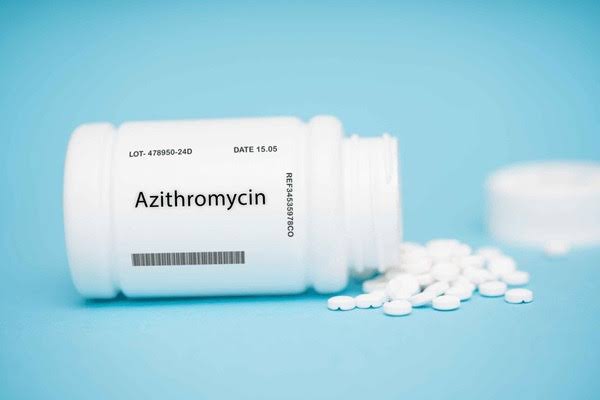
The effectiveness of modern medicine against bacterial infections often hinges on our ability to disrupt the cellular machinery of the pathogen without harming the human host. Azithromycin, a prominent member of the macrolide class, achieves this by targeting the 50S ribosomal subunit. By binding to this specific site, it physically obstructs the “exit tunnel” where newly formed protein chains emerge, effectively halting the translation of mRNA. This prevents the bacteria from synthesizing essential proteins, leading to a state of bacteriostatic inhibition where the bacteria can no longer grow or replicate.
However, the 50S subunit is a complex structure with multiple functional regions, making it a target for several other distinct classes of antibiotics. One such class is the Lincosamides, with Clindamycin being the most well-known representative. Lincosamides bind to the 50S subunit in a way that overlaps with the macrolide binding site. They primarily interfere with the enzyme peptidyl transferase, which is responsible for forming the peptide bonds between amino acids. Because their binding sites are so close, bacteria that develop resistance to macrolides often show “cross-resistance” to lincosamides as well.
Another critical class is the Oxazolidinones, featuring the drug Linezolid. Unlike macrolides or lincosamides, which interfere with an ongoing protein chain, oxazolidinones act at the very beginning of the process. They bind to the 50S subunit and prevent it from joining with the 30S subunit and mRNA to form the 70S initiation complex. By stopping the assembly of the “factory” before it even starts, these drugs are powerful tools against highly resistant Gram-positive bacteria, such as MRSA and VRE.
The Amphenicols, specifically Chloramphenicol, represent a third class that targets this same ribosomal subunit.Chloramphenicol binds to the 50S subunit and directly inhibits the peptidyl transferase reaction. While its use has become limited in many developed nations due to potential bone marrow toxicity, it remains a vital, broad-spectrum option in specific global contexts. Its mechanism is so efficient that it can inhibit protein synthesis across a wide variety of both aerobic and anaerobic organisms.
Understanding these varied mechanisms is essential for healthcare providers when managing antibiotic stewardship.Since many of these drug classes—Macrolides, Lincosamides, and Streptogramins (often grouped as the MLSB family)—target overlapping regions of the 50S subunit, clinicians must be wary of resistance patterns. Overuse of one class can lead to the selection of bacteria with methylated ribosomes, rendering an entire suite of life-saving medications ineffective. Through strategic rotation and targeted use of these 50S inhibitors, we can continue to effectively neutralize bacterial threats.
Would you like me to create a table comparing the specific binding sites and clinical uses of these four antibiotic classes?