

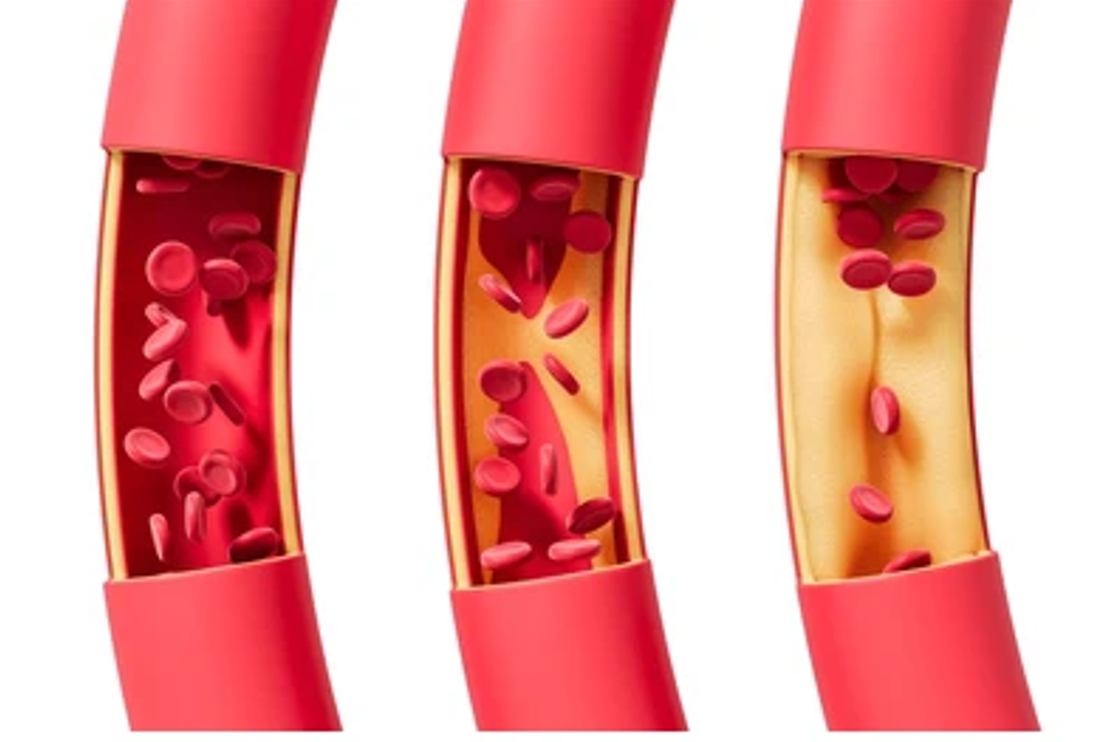
Every February, we are inundated with the same generic advice for American Heart Month: “Eat your greens” and “Watch your cholesterol.” While well-intentioned, this advice often relies on a 50-year-old testing model that misses a significant portion of people at risk for heart attacks.
As a physician, I want to pull back the curtain on Advanced Lipid Testing. If you’ve ever been told your “cholesterol is fine” but you have a family history of heart disease, this is the information you need.
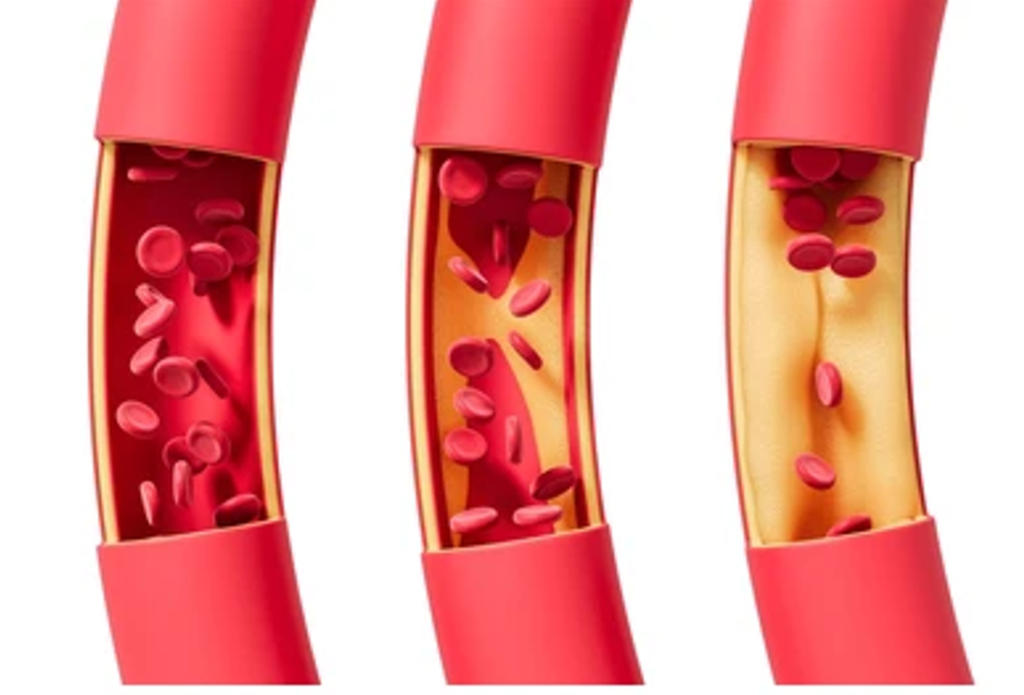
The Problem with LDL-C: Measuring “Weight” vs. “Count”
Most standard blood tests measure LDL-C—the mass of cholesterol carried in your Low-Density Lipoprotein particles. Think of this like weighing the total amount of “gunk” in a delivery truck.
However, the weight of the gunk matters less than how many trucks are on the road. This is where ApoB (Apolipoprotein B) comes in.
- LDL-C: Measures the total volume of cholesterol.
- ApoB: Measures the actual number of particles that can penetrate the arterial wall.
You can have a low volume of cholesterol (Normal LDL-C) but a very high number of small, dense particles (High ApoB). These small particles are the ones that get stuck in your “pipes” and lead to plaque buildup.
The “Fire” in the Arteries: Understanding hs-CRP
If ApoB tells us how much “gunk” is in the system, hs-CRP (High-Sensitivity C-Reactive Protein) tells us if the pipes are on fire.
Cholesterol alone doesn’t always cause a heart attack. It is the combination of cholesterol trapped in the wall plus inflammation. Inflammation makes the plaque unstable. When the “fire” of inflammation meets the “fuel” of cholesterol, that is when a plaque ruptures, leading to a cardiac event.
The Physician’s Analogy: The Plumbing Perspective
I often tell my patients to think of their cardiovascular system like the plumbing in an old house:
- ApoB is the Gunk: It’s the material that has the potential to clog the drain. The more particles you have, the more likely something will snag.
- hs-CRP is the Pipe Condition: If the pipes are corroded (inflamed), the gunk sticks much faster.
- Blood Pressure is the Pressure: High pressure pushes that gunk deeper into the pipe walls, accelerating the damage.

My Clinical Recommendation
For my patients who want a true “preventative” approach, a standard lipid panel isn’t enough. If you are over 40 or have a family history of heart disease, ask your doctor for:
- ApoB Test: To count the actual number of atherogenic particles.
- hs-CRP: To measure systemic inflammation.
- Lp(a): A genetic marker that can significantly increase risk regardless of lifestyle.
Don’t wait for a “clog” to happen before you check the quality of your plumbing.