

we are the gatekeepers of infusion. Whether you’re working in the ED, ICU, or a med-surg floor, understanding why a specific fluid is hanging on the pump is just as important as knowing how to prime the tubing.
Fluid resuscitation isn’t “one size fits all.” Choosing the wrong crystalloid can lead to electrolyte imbalances or even worsen a patient’s metabolic state. Here is a high-yield breakdown of the fluids of choice for common clinical scenarios.
Hypovolemic & Septic Shock
When a patient’s blood pressure is tanking due to volume loss or systemic vasodilation, we need to fill the tank—fast.
- The Fluid: Ringer’s Lactate (RL) is generally preferred over Normal Saline. Why? Because its electrolyte composition more closely mimics human plasma, reducing the risk of hyperchloremic metabolic acidosis.
- The Nuance:
- Hemorrhagic Shock: If the patient is bleeding out, crystalloids are just a bridge. You can’t carry oxygen with salt water; eventually, you’ll need Packed RBCs.
- Septic Shock: If the patient remains hypotensive after a 30 mL/kg fluid bolus, prepare to start vasopressors (like Norepinephrine).
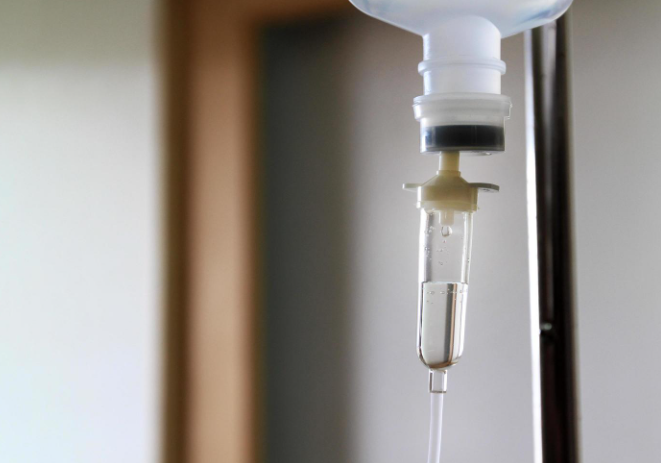
Dehydration: Oral vs. IV
Not every dehydrated patient needs an IV start.
- Mild to Moderate: If the gut works, use it! Oral Rehydration Solution (ORS) is the gold standard.
- Severe: If the patient is lethargic or vomiting, we move to Normal Saline (NS) or RL to quickly restore intravascular volume.
Diabetic Ketoacidosis (DKA)
Managing DKA is a delicate dance between volume, glucose, and potassium.
- Phase 1: Start with Normal Saline to aggressive rehydrate.
- Phase 2: Once the patient is hemodynamically stable, we often switch to 0.45% NS (half-normal) to address intracellular dehydration.
- The “Switch”: When blood glucose drops below 200 mg/dL, we add Dextrose to the fluids. This allows us to keep the insulin drip running (to clear those ketones) without bottoming out the patient’s blood sugar.
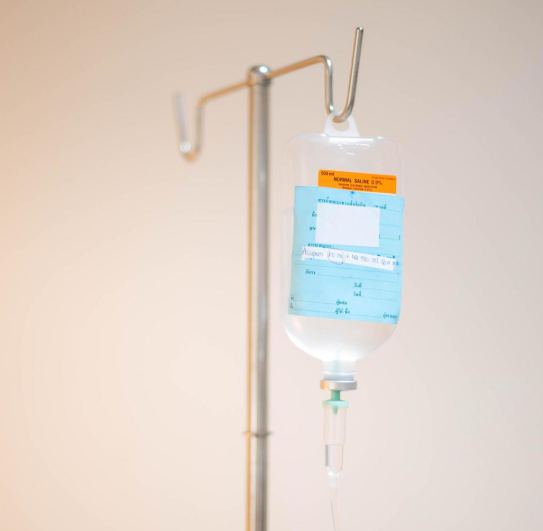
The Burn Patient (Parkland Formula)
Burn care is all about preventing hypovolemic shock caused by “third-spacing.”
- The Fluid: Ringer’s Lactate is the gold standard here.
- The Math: We use the Parkland Formula to calculate the 24-hour fluid requirement:$$4\text{ mL} \times \text{kg (body weight)} \times \text{\%TBSA (Total Body Surface Area burned)}$$
- Nursing Tip: Remember, you give half of that total volume in the first 8 hours from the time of the burn!
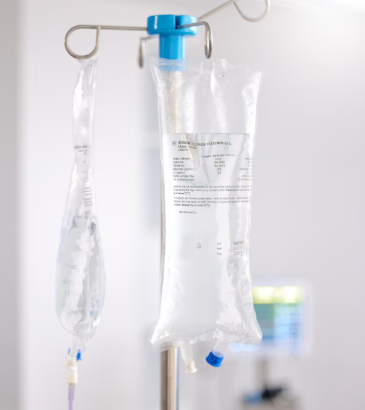
Hyponatremia
Low sodium is a “slow and steady” fix.
- Severe/Symptomatic: If the patient is seizing or altered, 3% Hypertonic Saline is used. Use extreme caution—correcting sodium too fast can cause permanent neurological damage (CPM).
- Mild: Often, simple Normal Saline or even fluid restriction is enough to bring levels back to baseline.
IV fluids are medications. Always monitor your patient’s lung sounds (for crackles), edema, and urine output to ensure they are tolerating the volume.
What’s your “go-to” tip for starting a difficult IV on a dehydrated patient? Let’s talk in the comments!