

Heart failure is a complex and serious condition that affects millions of people worldwide. It occurs when the heart muscle can’t pump enough blood to meet the body’s needs. This doesn’t mean the heart has stopped working, but rather that it’s not working as efficiently as it should.

Types of Heart Failure:
Heart failure is broadly categorized into two main types:
- Systolic Heart Failure (Reduced Ejection Fraction): In this type, the left ventricle (the heart’s main pumping chamber) doesn’t contract effectively, leading to a reduced amount of blood being pumped out to the body.
- Diastolic Heart Failure (Preserved Ejection Fraction): Here, the left ventricle is stiff and can’t relax properly between beats, meaning it doesn’t fill with enough blood. The heart can still pump blood out, but there’s less blood to pump in the first place.
Common Causes:
Several conditions can lead to the development of heart failure:
- Coronary Artery Disease (CAD): This is the most common cause, where the arteries supplying blood to the heart muscle become narrowed or blocked, weakening the heart.
- Hypertension (High Blood Pressure): Uncontrolled high blood pressure forces the heart to work harder, eventually leading to weakening and thickening of the heart muscle.
- Myocardial Infarction (Heart Attack): A heart attack can damage a portion of the heart muscle, making it less effective at pumping blood.
- Valvular Heart Disease: Problems with the heart valves (leaking or narrowed) can make the heart work harder to pump blood.
- Cardiomyopathies: These are diseases of the heart muscle itself, which can weaken it over time.
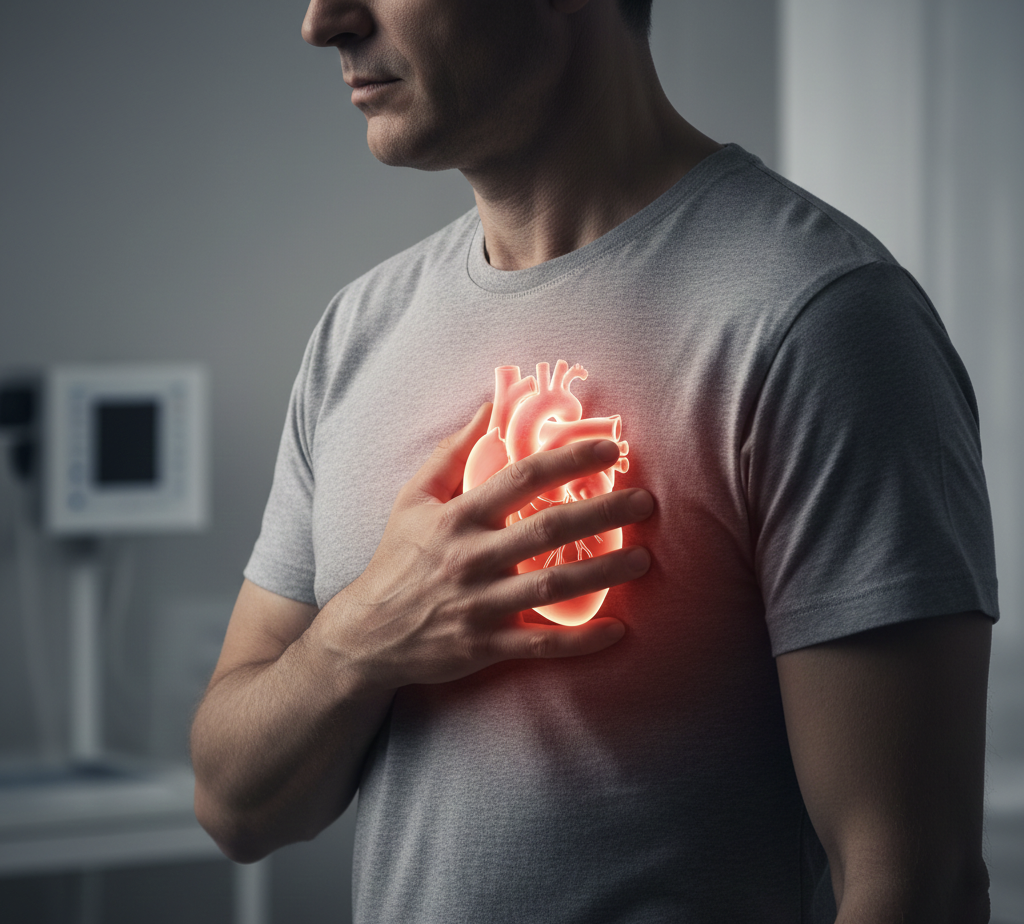
Recognizing the Symptoms:
The symptoms of heart failure often develop gradually and can worsen over time. It’s crucial to be aware of them so you can seek medical attention promptly. Common symptoms include:
- Dyspnea (Shortness of Breath): This can occur during physical activity, at rest, or when lying flat (orthopnea).
- Fatigue: Feeling unusually tired or weak, even after minimal exertion.
- Edema (Swelling): Particularly noticeable in the lower extremities (ankles, feet, legs), due to fluid retention.
- Paroxysmal Nocturnal Dyspnea (PND): Waking up suddenly at night feeling breathless.
- Reduced Exercise Tolerance: Finding it harder to perform activities you once did easily.
If you experience any of these symptoms, it’s essential to consult a healthcare professional for an accurate diagnosis and appropriate management plan. Early detection and treatment can significantly improve outcomes for individuals with heart failure.