

A stoma is a surgically created opening on the abdomen that allows for the diversion of bodily waste, such as feces or urine, into an external pouching system. While undergoing this procedure is a significant life event, understanding how to manage it can lead to a healthy, active, and fulfilling lifestyle. A stoma is often a life-saving measure, and with the right care routine, it becomes a manageable part of daily life.
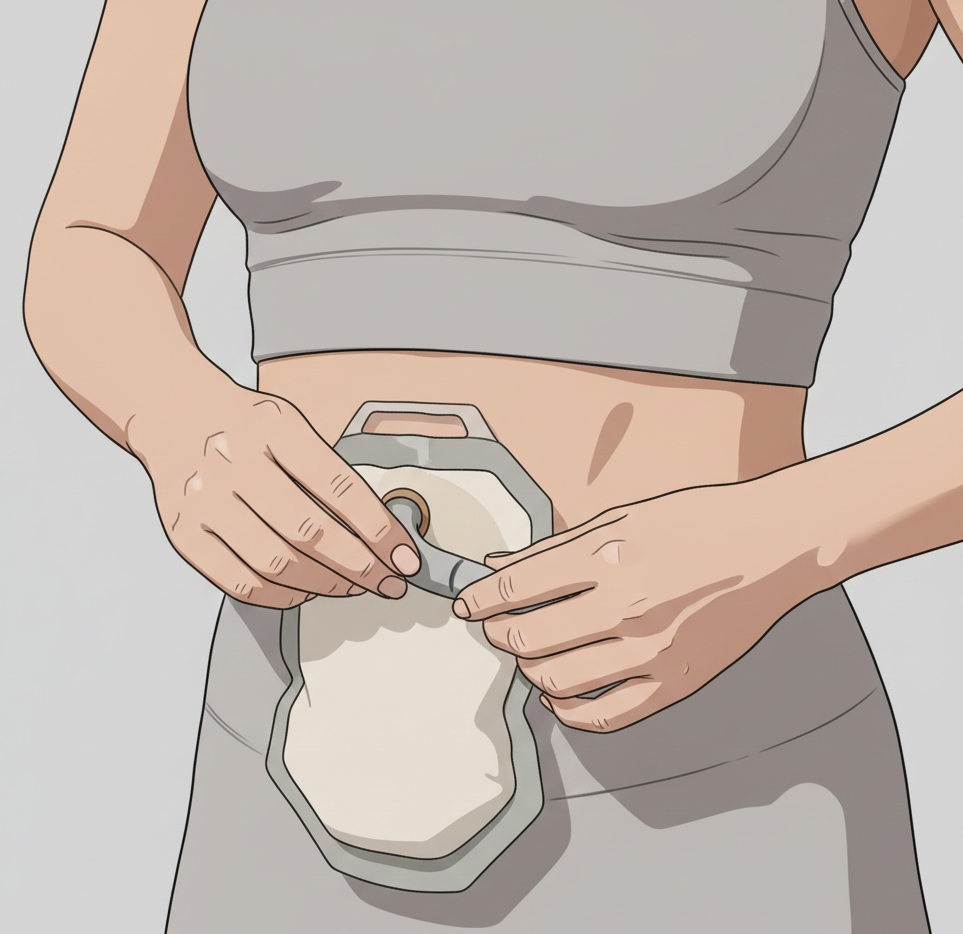
Mastering Your Daily Care Routine
The foundation of living comfortably with a stoma is a consistent and gentle hygiene routine. Regular cleaning of the stoma and the surrounding skin is essential to prevent irritation and ensure the longevity of your appliance. It is recommended to use only mild soap and water for cleaning; harsh chemicals, oils, or perfumes should be avoided as they can interfere with the adhesive of the pouch or irritate the delicate tissue.
Ensuring a Secure Fit
One of the most critical aspects of stoma management is ensuring proper fitting and securement of the pouching system. A well-fitted appliance acts as a barrier that protects the skin from coming into contact with waste. Because the size of a stoma can change—especially in the weeks following surgery—regularly measuring the stoma is vital to ensure the opening of the skin barrier is the correct size. A secure fit not only prevents leaks but also provides the wearer with confidence during physical activities.
Recognizing Potential Complications
Monitoring the health of the stoma and the peristomal skin (the skin surrounding the stoma) is a key responsibility for any ostomate. Common complications include peristomal skin irritation, which is often caused by waste leaking under the barrier. Other issues to watch for include stomal stenosis, which is a narrowing of the opening, as well as prolapse or retraction, where the stoma either extends too far outward or sinks below the skin level. Being aware of these signs allows for early intervention and better long-term outcomes.
Professional Support and Long-Term Success
Adapting to life with a stoma is a journey that doesn’t have to be taken alone. Working closely with wound, ostomy, and continence (WOC) nurses can provide personalized education on the best products and techniques for your specific body type. By committing to regular cleaning, ensuring a proper fit, and staying vigilant about complications, you can “ace your stoma” and maintain your quality of life with confidence.