

A Deep Dive into One of the Most Severe Bacterial Infections Affecting the Skin and Soft Tissues
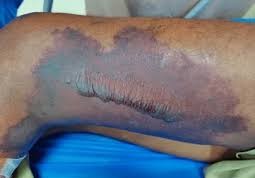
Necrotizing fasciitis, often known as the “flesh-eating disease,” is a rare but life-threatening bacterial infection that destroys the skin, fat, and tissues covering the muscles. This fast-progressing condition requires immediate medical attention, as it can lead to severe complications, systemic infection, and even death if not treated promptly.
This infection primarily affects the soft tissues and fascia—the thin layers of connective tissue that surround muscles, nerves, fat, and blood vessels. Although uncommon, its aggressive nature makes early recognition and intervention crucial.
Organs and Tissues Affected
Necrotizing fasciitis mainly involves the skin, subcutaneous fat, and fascia (the connective tissue covering the muscles). As the bacteria multiply rapidly, they release toxins that destroy tissue and block blood flow, causing necrosis, or tissue death. In severe cases, the infection can spread through the bloodstream, affecting internal organs and leading to sepsis.
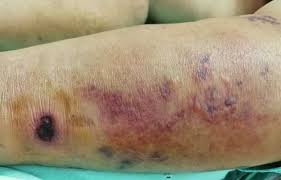
Mechanism of Disease
The disease is caused by a severe bacterial infection, often involving Group A Streptococcus (Streptococcus pyogenes), although other bacteria such as Staphylococcus aureus, Clostridium, or Klebsiella can also be responsible.Once these bacteria enter through a cut, wound, or surgical incision, they release powerful toxins and enzymes that:
- Destroy tissue cells and blood vessels
- Suppress the body’s immune response
- Cause rapid tissue death and spreading inflammation
Without timely medical treatment, the infection spreads within hours, leading to extensive tissue damage and potentially life-threatening systemic shock.
Causes and Risk Factors
Although anyone can develop necrotizing fasciitis, certain conditions increase the risk:
- Compromised immune system (diabetes, cancer, HIV)
- Chronic diseases such as liver or kidney disorders
- Recent surgery or traumatic injury
- Use of nonsteroidal anti-inflammatory drugs (NSAIDs) that may mask early symptoms
- Poor wound hygiene or exposure to contaminated water
Signs and Symptoms
Necrotizing fasciitis often begins subtly but worsens rapidly. Key symptoms include:
- Severe pain — out of proportion to the visible wound
- Swelling and redness that spreads quickly
- Skin discoloration, turning purple or black as tissue dies
- Fever and chills due to systemic infection
- Blisters or fluid-filled lesions on the affected area
- Fatigue, confusion, or dizziness — signs that infection has entered the bloodstream
As the disease progresses, tissue destruction becomes extensive, and the patient may develop shock, low blood pressure, and organ failure.
Diagnosis
Early diagnosis is critical. Doctors may perform:
- Physical examination and patient history
- Blood tests to detect infection and organ function
- Imaging (CT or MRI) to see how deep the infection has spread
- Tissue biopsy or culture to identify the causative bacteria
Delays in diagnosis can significantly increase the risk of amputation or death.
Treatment and Medical Management
Treatment for necrotizing fasciitis is a medical emergency and usually includes:
- Immediate broad-spectrum antibiotics to fight infection
- Surgical debridement — removal of dead tissue to stop bacterial spread
- Intravenous fluids and supportive care for maintaining blood pressure
- Pain management and nutritional support
- Hyperbaric oxygen therapy (in some cases) to promote healing and inhibit bacterial growth
Early and aggressive treatment significantly improves the chances of survival.
Nursing Care and Interventions
Nurses play a vital role in the management and recovery of patients with necrotizing fasciitis. Key nursing responsibilities include:
- Emergency stabilization: Monitoring vital signs, ensuring airway, breathing, and circulation
- Monitoring for signs of shock: Observing changes in heart rate, blood pressure, and temperature
- Wound care management: Regular cleaning, dressing changes, and infection control
- Pain control: Administering prescribed analgesics and ensuring patient comfort
- Psychological support: Assisting patients and families in coping with trauma and disfigurement
- Education: Teaching wound care hygiene and preventive measures after discharge
Prevention
Although not all cases can be prevented, the following steps can reduce the risk:
- Keep wounds clean and covered until fully healed
- Avoid swimming in natural water bodies with open cuts
- Practice good hygiene and handwashing
- Seek medical care promptly for any wound that becomes red, swollen, or painful