

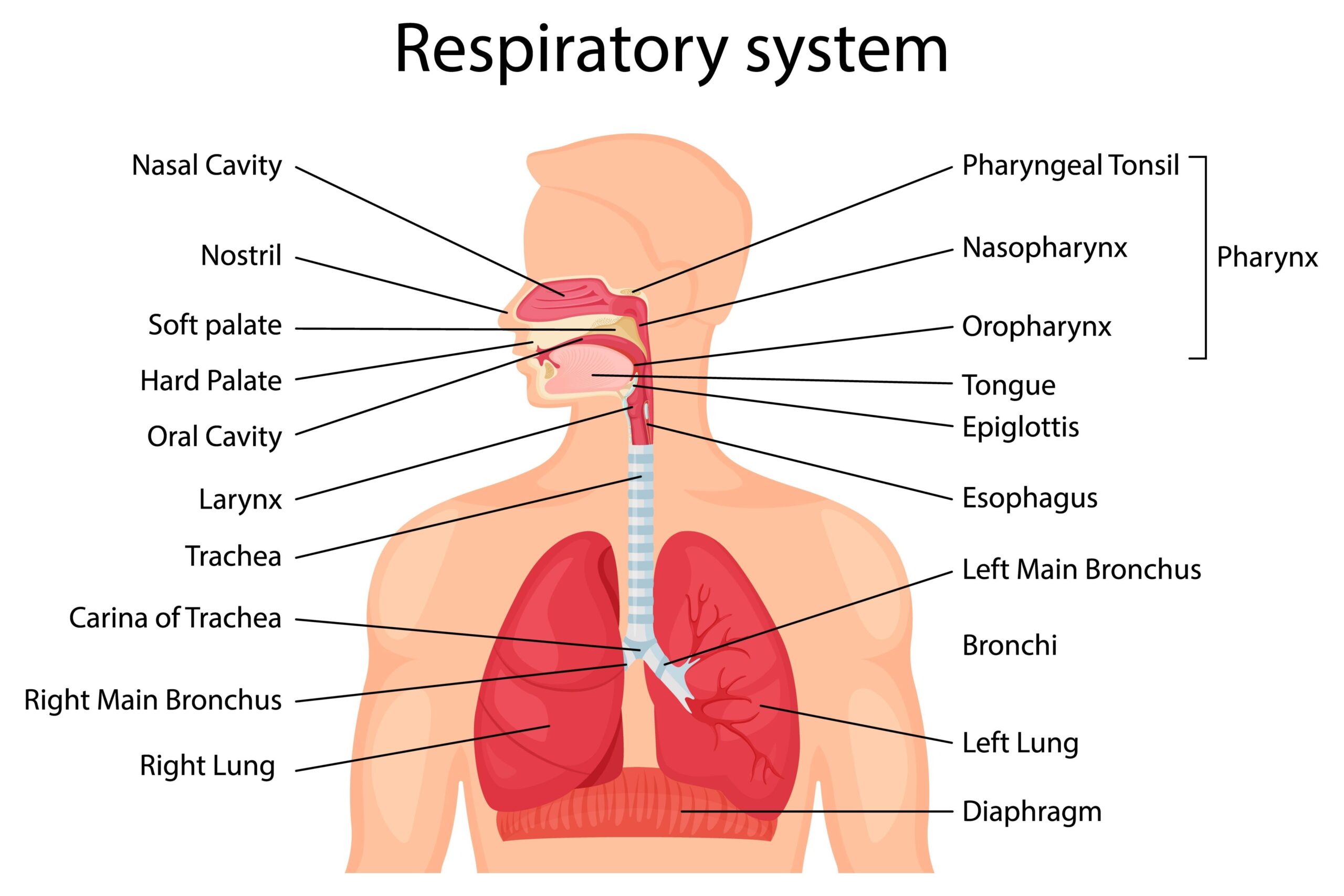
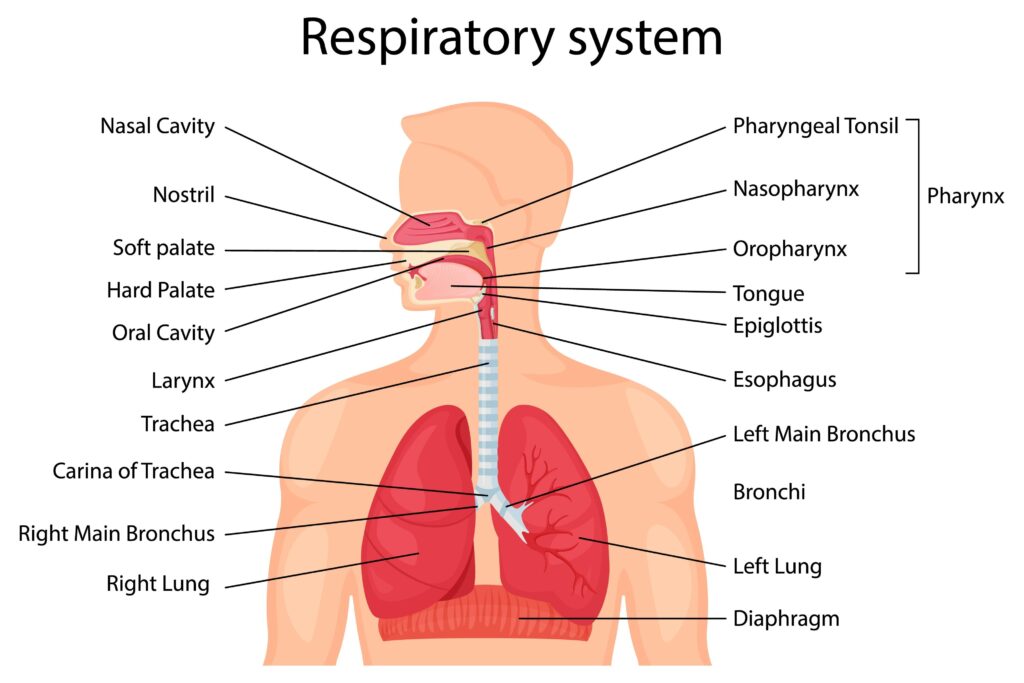
In the field of patient assessment, the monitoring of respiratory status is a critical component of vital sign evaluation. Respiration is primarily regulated by the brainstem, ensuring that oxygen levels and carbon dioxide concentrations remain within physiological limits. When these patterns deviate from the norm, specific clinical terminology—characterized by the suffix -pnea—is utilized to describe the nature of the respiratory distress or alteration.
Understanding these patterns is essential for early intervention in both emergency and chronic care settings.
Defining the Respiratory Suffix: -pnea
The suffix -pnea is derived from the Greek word pnoia, meaning breath or respiration. In clinical documentation, this suffix is attached to various prefixes to categorize a patient’s breathing rate, depth, and ease.
Patterns of Respiratory Rate and Depth
Abnormalities in breathing are often the first sign of metabolic or cardiac compensation. Below are the primary terms used to describe these variations.
- Eupnea: This term refers to normal, quiet breathing. In a healthy adult at rest, eupnea is characterized by a rate of 12 to 20 breaths per minute.
- Bradypnea: An abnormally slow breathing rate is termed bradypnea. This may be observed in cases of drug overdose, metabolic derangement, or during deep sleep.
- Tachypnea: Conversely, tachypnea is defined as fast, shallow breathing. It is frequently seen as a compensatory mechanism in patients with fever, anxiety, or respiratory infections.
- Apnea: The temporary absence of breathing is known as apnea. If prolonged, this condition is considered a medical emergency, though it is commonly discussed in the context of “Sleep Apnea.”
- Hypopnea: This refers to shallow breathing or a decrease in the airflow rate. It is often measured during diagnostic sleep studies.
- Hyperpnea: Characterized by deep, rapid breathing, hyperpnea is typically associated with increased metabolic demand, such as during intense physical exercise or as a response to hypoxia.
Subjective Breathing Difficulties
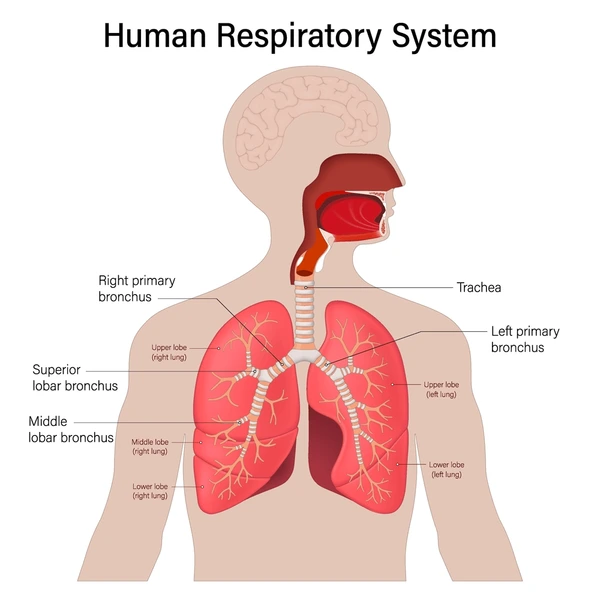
When a patient experiences discomfort or labor while breathing, specific terminology is used to differentiate the circumstances of the distress.
- Dyspnea: This is the clinical term for difficulty breathing or “shortness of breath.” Dyspnea is often described by patients as a feeling of suffocation or air hunger.
- Orthopnea: This is a specific form of difficulty in breathing that occurs when a person is lying flat. It is a hallmark symptom of congestive heart failure. Relief is typically found when the patient is propped up by pillows or sits upright.