

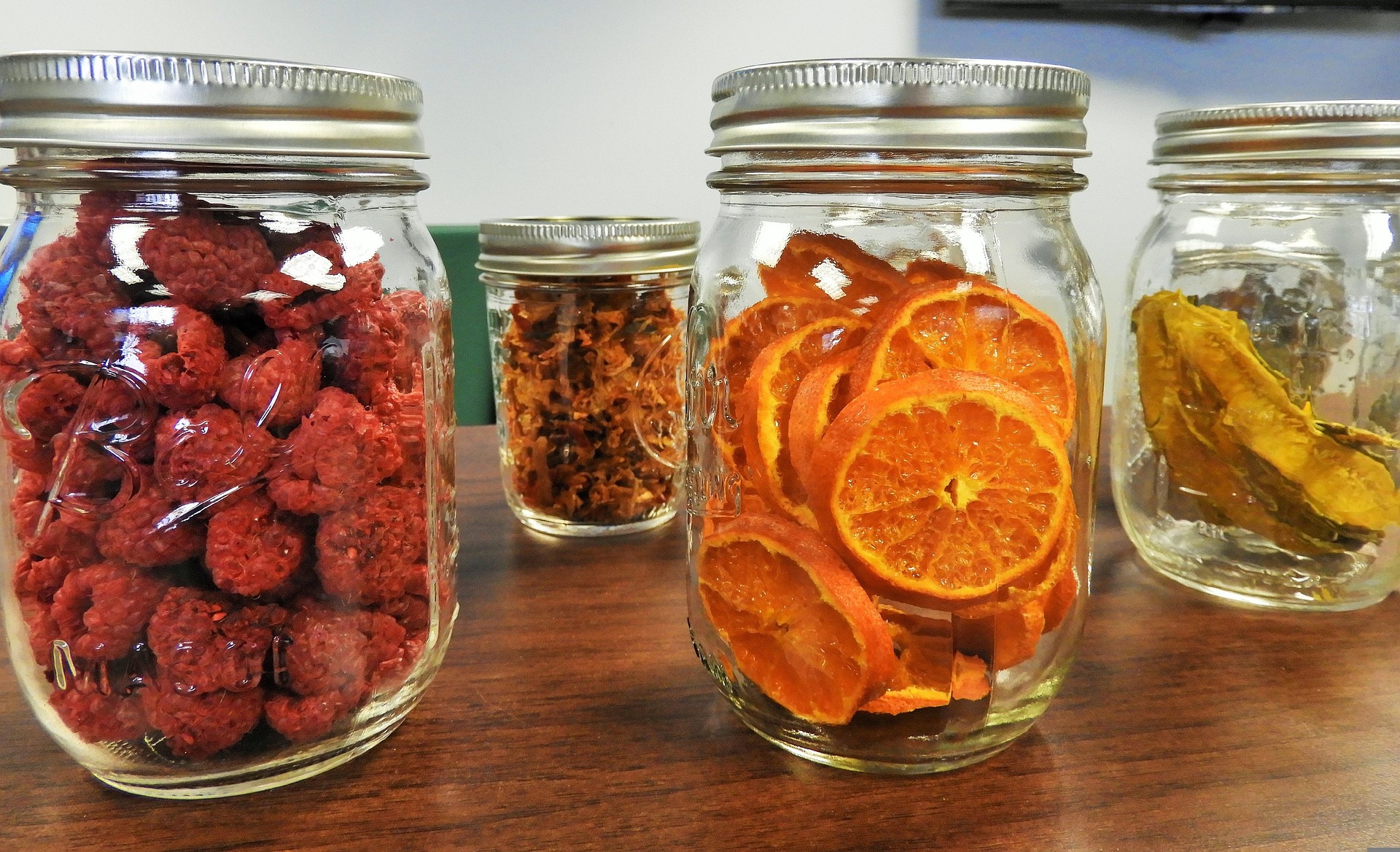
In my practice, I see patients who are “doing everything right”—hitting their protein goals and eating “low carb”—yet their inflammatory markers remain high. The culprit is often Food Proximity. The further a food is from its natural state, the more it bypasses our satiety signals and inflames the gut lining.
1. The Pantry Audit: The “Healthy” UPFs
Under the latest NOVA classification system, these staples are now flagged by many clinicians as ultra-processed:
- Plant-Based Meats: Often contain isolated proteins, emulsifiers, and methylcellulose.
- Protein Bars: High in “fiber” (isomalto-oligosaccharides) that can actually cause glycemic spikes in some individuals.
- Mass-Produced Whole Wheat Bread: Many contain conditioners like DATEM and calcium propionate to extend shelf life.
- Fruit-Flavored Low-Fat Yogurts: Often thickened with modified starches and sweetened with high-fructose “fruit preparations.”
- “Health” Cereals: Even those with “high fiber” labels are often extruded at high heat, destroying the natural food matrix.
2. Microbiome Personalization: The “30 Plants” Rule
We used to think the microbiome was just about “good vs. bad” bacteria. In 2026, we focus on Diversity.
The American Gut Project demonstrated that the strongest predictor of a healthy gut is not “going vegan,” but eating 30 different plants per week.
Clinical Tip: This includes herbs, spices, nuts, seeds, and grains. Every different color and texture provides a unique “prebiotic” that feeds a specific strain of bacteria.
3. The “Fiber + Protein” Power Duo
The “High Protein” craze of the early 2020s had a flaw: protein without fiber is a recipe for a sluggish microbiome.
- Metabolic Synergy: When you consume fiber and protein together, the fiber slows the absorption of amino acids and protects the liver from “fructose overload” (if fruit is present).
- The Satiety Anchor: While protein triggers the hormone PYY, fiber triggers GLP-1 naturally. By “Fiber-Maxxing” (aiming for 35g-50g a day), you are essentially mimicking the effects of modern metabolic medications through whole-food proximity.
4. Next-Gen Biotics: Postbiotics & Akkermansia
We have moved beyond generic acidophilus. The “Gold Rush” of 2026 is in Postbiotics and Akkermansia muciniphila.
- Akkermansia: Known as the “Keystone Strain,” this bacterium strengthens the mucin layer of your gut. Low levels are clinically linked to obesity and Type 2 Diabetes. We now focus on foods that boost it naturally, such as pomegranate, cranberries, and walnuts.
- Postbiotics: These are the “waste products” of bacteria (like Butyrate). You don’t always need live bacteria (probiotics); you need the metabolites they produce. Fiber is the raw material your gut uses to “manufacture” these anti-inflammatory postbiotics.

The Physician’s Prescription
If you want to optimize your metabolic health this year, stop obsessing over your “Protein-to-Carb” ratio and start obsessing over your “Whole-to-Processed” ratio.
- Audit your pantry: If it has more than 5 ingredients or ingredients your grandmother wouldn’t recognize, it’s a UPF.
- The 30-Plant Challenge: Keep a tally on your fridge.
- Fiber First: Eat your fiber (greens/beans) before your protein and fats to blunt the glucose response.