

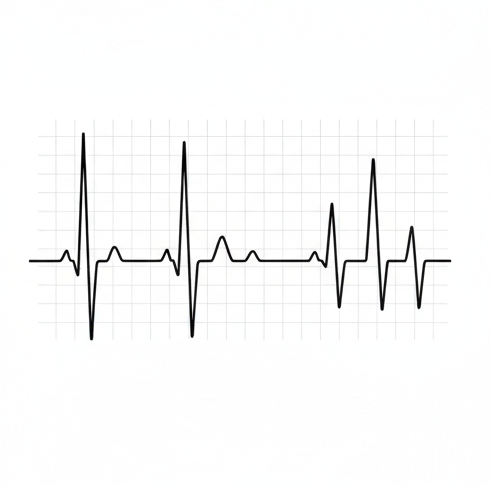
When it comes to heart health, the rhythm of your heartbeat is just as important as the strength of the pump. Two of the most common arrhythmias—conditions where the heart beats with an irregular or abnormal rhythm—are Atrial Fibrillation (AFib) and Atrial Flutter. While they share some similarities and both originate in the upper chambers of the heart (the atria), they have distinct characteristics, risks, and impacts on your long-term health.
Atrial Fibrillation: The Quivering Heart
Atrial Fibrillation, commonly known as AFib, is a widespread irregular heart rhythm where the atria quiver chaotically instead of contracting properly. This lack of coordination means the heart cannot pump blood efficiently into the ventricles. As a result, the heartbeat becomes highly irregular and often significantly faster than normal. Depending on the individual, AFib can occur in occasional “episodes,” be continuous, or even become a permanent condition that requires ongoing management.
The symptoms of AFib can be unsettling and often include palpitations (a feeling like your heart is racing or flipping), shortness of breath, and general weakness. Beyond the immediate discomfort, the primary danger of AFib lies in its long-term complications. Because blood can pool in the quivering atria, it significantly increases the risk of blood clots, which can lead to stroke and other serious heart-related issues.
Atrial Flutter: The Sawtooth Rhythm
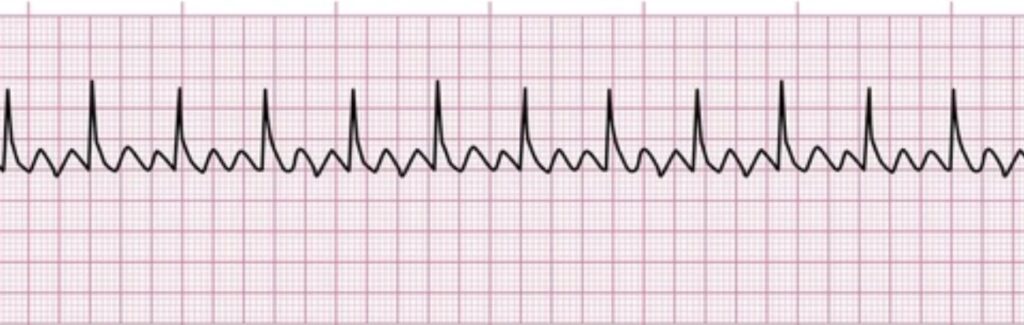
Atrial Flutter is a less common but equally significant heart rhythm disorder. Unlike the chaotic quivering of AFib, in Atrial Flutter, the atria beat very rapidly but in a regular, organized pattern. On an electrocardiogram (ECG), this specific rhythm often displays a classic “sawtooth” pattern, which helps doctors distinguish it from other arrhythmias. Atrial Flutter is generally categorized into two types: typical or atypical, depending on the specific electrical path the signal takes through the heart.
While the symptoms of Atrial Flutter—such as a racing heart or fatigue—can be similar to AFib, they are sometimes milder or less noticeable. However, do not let milder symptoms lead to complacency; Atrial Flutter carries similar dangers, including an increased risk of stroke and heart failure. Managing the rapid rate is essential to prevent the heart muscle from weakening over time due to the constant overwork.