

Oxygen is the vital fuel that powers every cell and organ in the human body. The measure of how much oxygen is circulating in the bloodstream is known as oxygen saturation (SpO2). In clinical practice, this level is most commonly monitored using a non-invasive device called a pulse oximeter.
For healthcare providers and patients alike, understanding these readings is crucial for identifying respiratory distress before it becomes life-threatening.
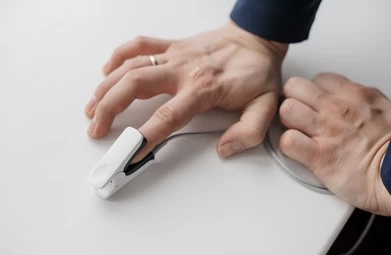
What are Normal Oxygen Levels?
In a healthy individual, the blood oxygen level typically remains within a very tight range.
- 95% – 100% (Normal): This is considered the “Good” zone. It indicates that the lungs are effectively transferring oxygen into the blood and that the heart is distributing it efficiently.
- 94% – 90% (Low Oxygen / Hypoxemia): When a reading falls into this range, it is considered a warning sign. These levels are often associated with mild respiratory impairment or underlying chronic conditions.
Clinical Note: In 2026, medical guidelines emphasize that a reading of 94% or lower should be discussed with a healthcare professional, especially if the patient is experiencing symptoms like shortness of breath or confusion.
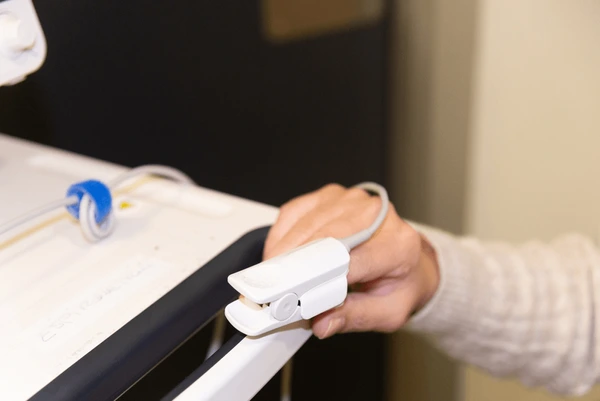
When is Hospitalization Required?
A drop in oxygen levels below a certain threshold constitutes a medical emergency.
- Below 90% (Very Low): This is characterized as severe hypoxemia. When oxygen levels are measured below 90%, immediate hospitalization is required.
- The Critical Threshold: At these levels, supplemental oxygen support is mandated to prevent organ damage, particularly to the brain and heart.
[Image showing a clinical scale of oxygen saturation from normal to critical]
Common Causes of Low Blood Oxygen
Several physiological and environmental factors can result in a decrease in SpO2. These include:
- Asthma: Airway inflammation can restrict the amount of oxygen reaching the alveoli.
- Anemia: A deficiency in hemoglobin means there are fewer “carriers” to move oxygen through the blood.
- COVID-19 & Pneumonia: Infections in the lung tissue interfere directly with gas exchange.
- Sleep Apnea: Periodic pauses in breathing during sleep lead to intermittent drops in saturation.
Important Considerations for Accuracy
It must be noted that certain factors can interfere with the accuracy of a pulse oximeter.
- Skin Tone: Recent studies in 2026 have confirmed that darker skin pigmentation can sometimes result in slightly higher (overestimated) readings.
- External Factors: Poor circulation, cold hands, and dark fingernail polish are also known to cause inconsistent results.