

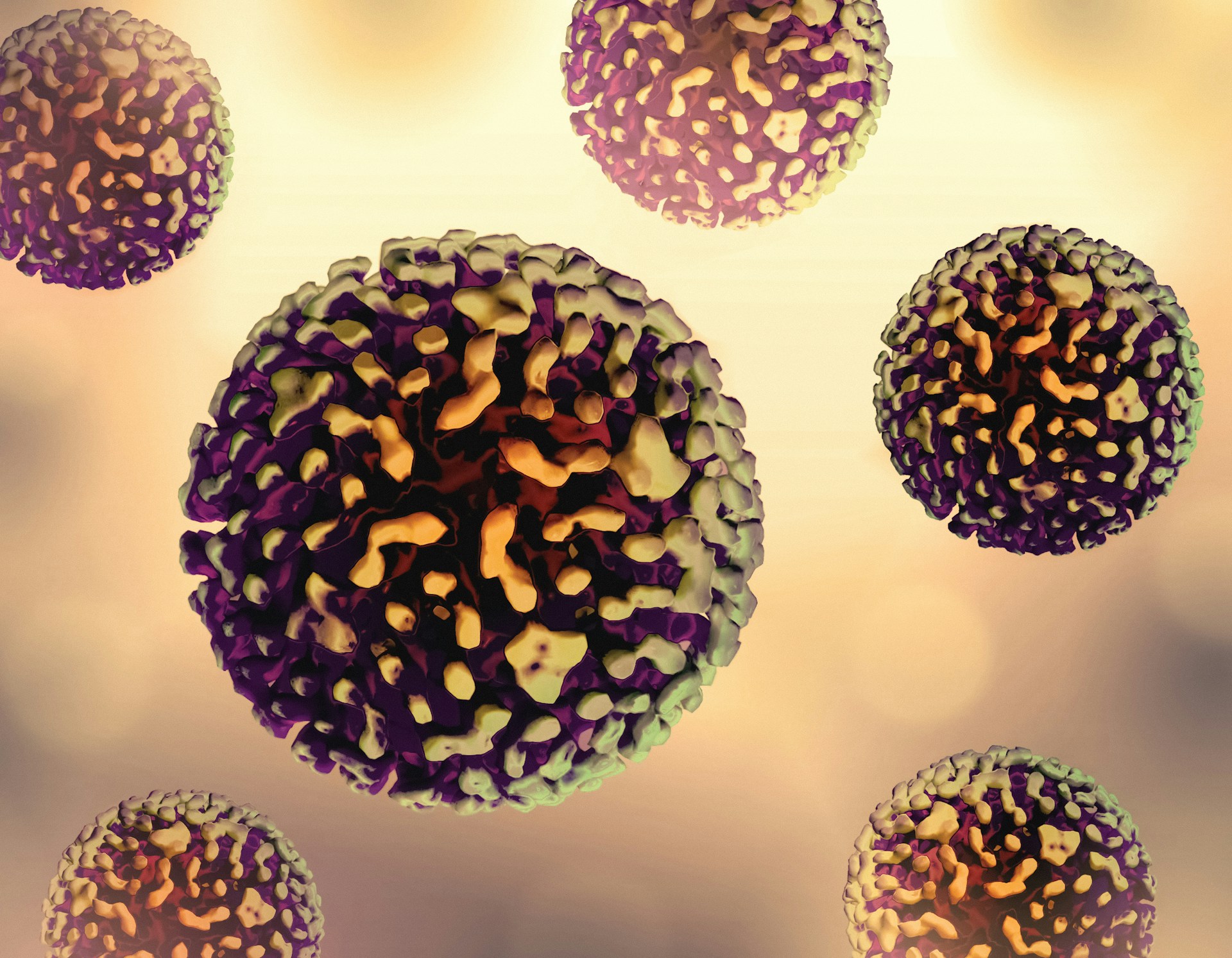
Hepatitis C is often called a “silent” infection because many people live with it for decades without feeling sick. However, beneath the surface, the Hepatitis C Virus (HCV) can cause significant damage to the liver.
If you’re looking to understand how this virus works, how it’s caught, and what to watch out for, here is a comprehensive breakdown.
What is Hepatitis C?
Hepatitis C is a liver infection caused by the Hepatitis C virus (HCV). Unlike Hepatitis A (usually spread through contaminated food) or Hepatitis B, Hepatitis C is primarily a bloodborne virus. It targets the liver cells, causing inflammation that can lead to serious scarring (cirrhosis) or even liver cancer if left untreate.
How is it Transmitted?
The most common way the virus enters the bloodstream is through direct contact with infected blood. In modern healthcare settings, the risk is extremely low due to rigorous screening, but transmission still occurs primarily through:
- Sharing Injection Equipment: This is currently the most common mode of transmission, involving the sharing of needles or syringes.
- Unsterile Equipment: Non-professional tattooing or piercing environments where equipment isn’t properly sterilized.
- Medical Exposure: Needlestick injuries in healthcare settings.
- Historical Transfusions: People who received blood transfusions or organ transplants before 1992 (when advanced screening was implemented).
Recognizing the Symptoms
One of the trickiest aspects of HCV is that the acute phase (the first 6 months) is often asymptomatic. When symptoms do appear, they are signs that the liver is struggling to function properly.
Early and Progressing Signs:
- Fatigue: A persistent, overwhelming tiredness that doesn’t go away with rest.
- Easy Bleeding and Bruising: The liver stops producing enough clotting factors.
- Poor Appetite: A general loss of interest in food or feeling full quickly.
Advanced Signs (Jaundice):
When the liver cannot process bilirubin (a byproduct of old red blood cells), it builds up in the body, leading to:
- Yellowing of the skin and eyes (Jaundice).
- Dark-colored urine (often described as looking like tea or cola).
- Pale-colored stools.
The Mechanism: How HCV Attacks the Liver
Once the virus enters the body, it travels through the bloodstream to the liver. It penetrates the liver cells (hepatocytes) and uses them as factories to replicate itself.
- Inflammation: The body’s immune system tries to fight the virus, causing the liver to swell.
- Fibrosis: Over time, constant inflammation causes the liver to develop scar tissue.
- Cirrhosis: After years of infection, the scar tissue can become so dense that the liver can no longer perform vital functions like filtering toxins or producing protein.
The Good News: Hepatitis C is Curable
It is important to remember that Hepatitis C is no longer the life sentence it once was. Modern medicine has introduced Direct-Acting Antivirals (DAAs). These are oral medications (pills) that:
- Have minimal side effects compared to old treatments.
- Usually require only 8–12 weeks of treatment.
- Boast a cure rate of over 95%.
Summary Table: Hepatitis C Fast Facts
| Feature | Description |
| Type | Bloodborne Virus (HCV) |
| Primary Risk | Sharing needles, unsterile piercings/tattoos |
| Major Symptom | Jaundice (yellowing), Fatigue, Dark Urine |
| Long-term Risk | Cirrhosis and Liver Cancer |
| Treatment | Oral antiviral tablets (Highly effective) |