

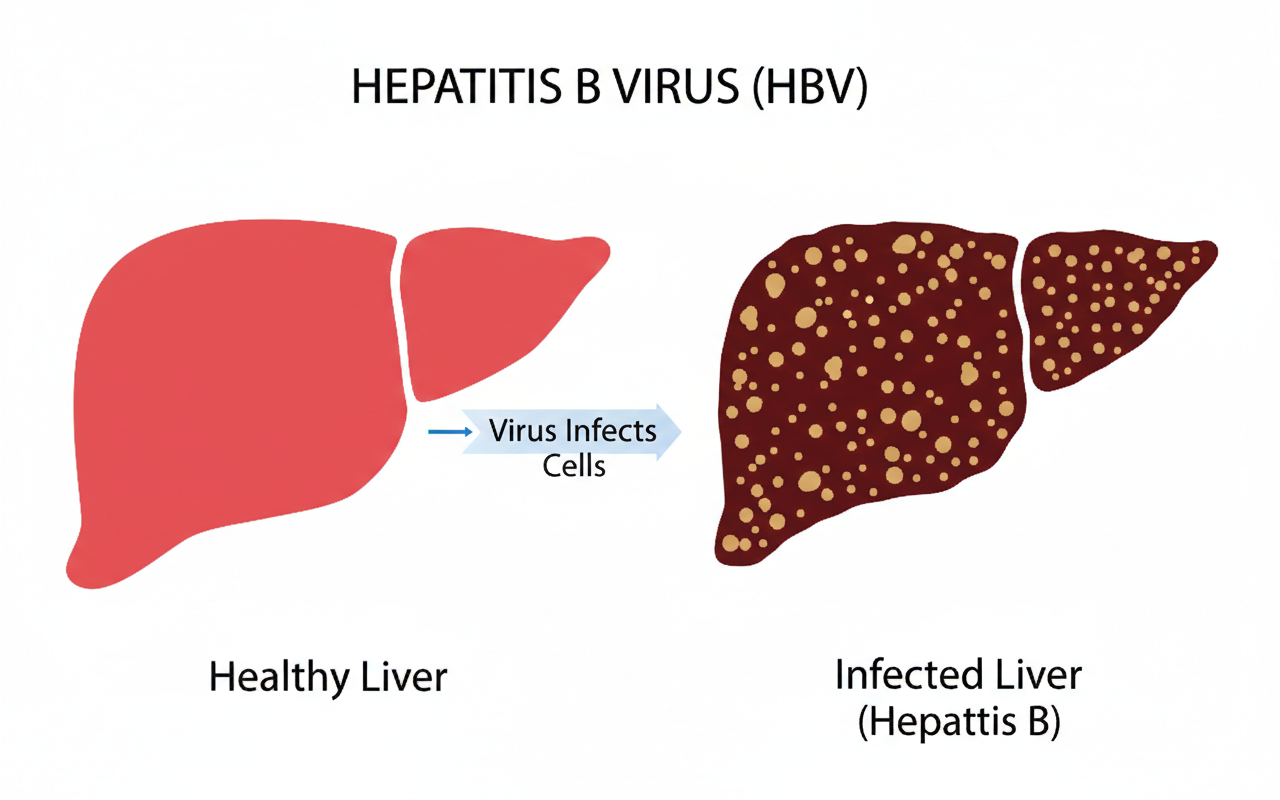
Hepatitis B is a serious liver infection caused by the Hepatitis B Virus (HBV). While some people experience a mild illness that lasts a few weeks, for others, it can become a chronic, lifelong condition leading to liver failure, cirrhosis, or even liver cancer.
Knowing the mechanism of the virus and its warning signs is the first step toward prevention and effective management.
What is Hepatitis B? (The Mechanism)
The Hepatitis B virus targets the hepatocytes (liver cells). Once the virus enters the bloodstream, it travels to the liver and invades these cells.
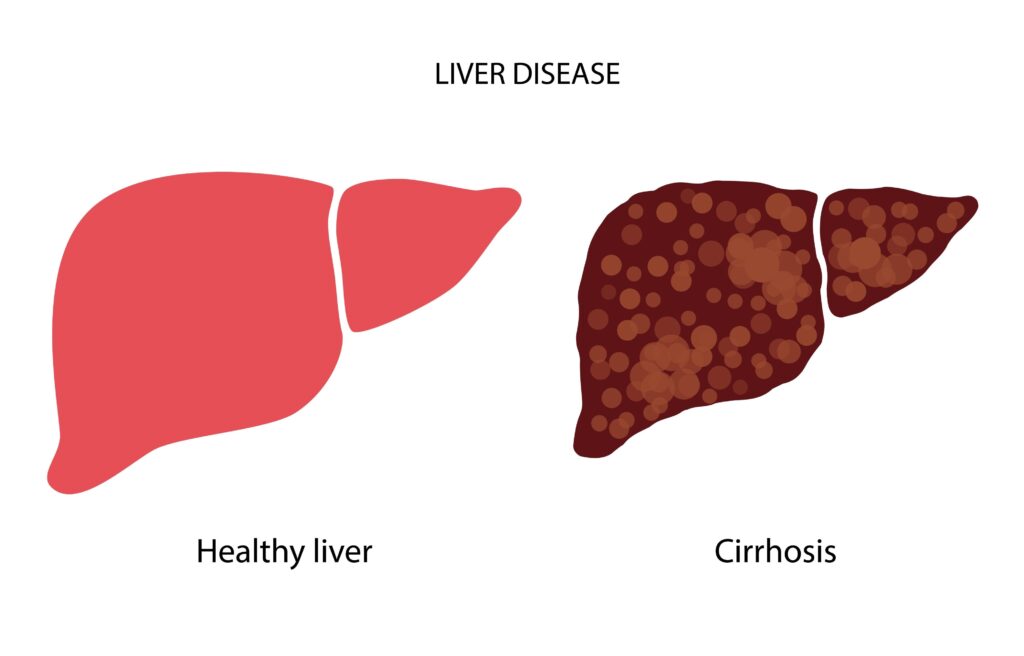
The damage to the liver isn’t actually caused by the virus itself, but by the body’s immune response. In an attempt to kill the virus, the immune system attacks the infected liver cells, leading to inflammation and cellular death. Over time, this constant cycle of damage and repair can cause scarring, known as fibrosis or cirrhosis.
How is Hepatitis B Transmitted?
Hepatitis B is highly infectious—it is significantly more contagious than HIV. It is primarily spread through contact with infected bodily fluids, including blood, semen, and vaginal secretions.
Common modes of transmission include:
- Sexual Contact: Unprotected sex with an infected partner.
- Sharing Needles: Common in intravenous drug use or accidental needle sticks in healthcare settings.
- Mother to Child: A mother can pass the virus to her newborn during childbirth.
- Personal Items: Sharing razors, toothbrushes, or earrings that may have traces of infected blood.
Note: Hepatitis B is not spread through casual contact like hugging, kissing, sneezing, coughing, or sharing food and water.
Signs and Symptoms to Watch For
Many people, especially adults with a strong immune system, may not show symptoms immediately. However, when symptoms do occur, they typically appear 1 to 4 months after infection.
1. Jaundice
This is the most recognizable sign of liver distress. It involves a yellowing of the skin and the whites of the eyes caused by a buildup of bilirubin in the blood.
2. Abdominal Pain
Pain or discomfort is often felt in the upper right side of the abdomen, directly over the liver.
3. Dark Urine and Pale Stools
As the liver struggles to process bile, your urine may turn the color of tea or cola, while stools may appear clay-colored.
4. Extreme Fatigue
The liver plays a massive role in energy metabolism. When it is damaged, patients often feel an overwhelming, “bone-deep” exhaustion that doesn’t improve with rest.
5. Nausea and Vomiting
A general loss of appetite and frequent bouts of nausea are common as the body struggles to process toxins.
Prevention and Treatment
The best way to prevent Hepatitis B is through vaccination. The vaccine is safe, effective, and usually given in a series of three shots.
- Acute Infection: Most healthy adults will clear the virus on their own with rest, fluids, and healthy nutrition.
- Chronic Infection: If the virus persists for more than six months, it is considered chronic. This requires ongoing monitoring by a specialist and, in many cases, antiviral medications to slow liver damage.