

Have you ever felt persistently exhausted, even after a full night’s sleep? While we often blame a busy schedule, the culprit might be microscopic.
Anemia is a condition where your body lacks enough healthy red blood cells (RBCs) to carry adequate oxygen to your tissues. Think of your red blood cells as a fleet of delivery trucks; when the fleet is down or the trucks are broken, the “oxygen cargo” doesn’t reach its destination, leaving you feeling weak, cold, and short of breath.
Anemia isn’t a single disease, but rather a sign that something is interfering with your blood production or survival. Here are the five most common types you should know about.
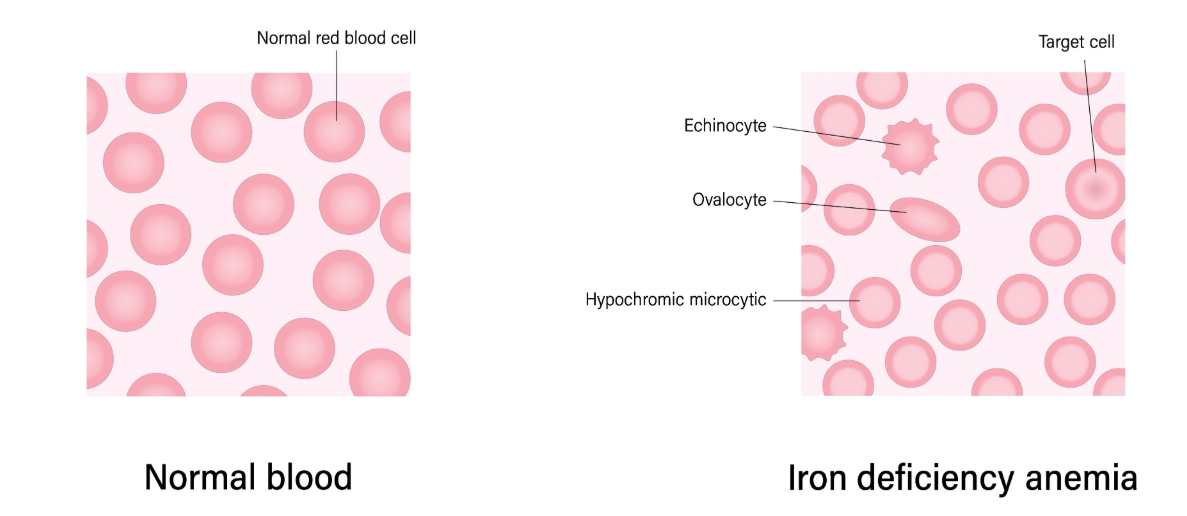
1. Iron Deficiency Anemia: The Production Shortage
This is the most common form of anemia worldwide. Iron is the key ingredient needed to create hemoglobin, the protein in red blood cells that actually grips the oxygen.
- The Cause: Blood loss (often from menstruation or GI issues), pregnancy, or a diet low in iron.
- The Result: Without enough iron, your body simply can’t manufacture the “engines” for your red blood cells.
2. Vitamin Deficiency Anemia: The Quality Control Issue
Even if you have enough iron, your body needs “building blocks” like Vitamin B12 and Folate to build healthy, functional red blood cells.
- The Cause: A diet lacking these nutrients or a condition like Pernicious Anemia, where the body can’t absorb B12 properly.
- The Result: Your body produces RBCs that are too large or fragile to do their job, leading to a disruption in the entire production line.
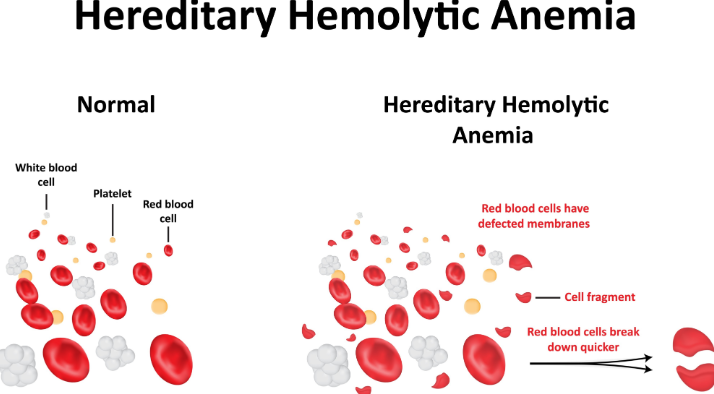
3. Hemolytic Anemia: The Early Retirement
Normally, red blood cells live for about 120 days. In hemolytic anemia, your body destroys them much faster than it can replace them.
- The Cause: This can be inherited or acquired through autoimmune disorders, certain medications, or infections.
- The Result: The “delivery fleet” is being scrapped faster than the factory can build new trucks, leading to a chronic shortage.
4. Aplastic Anemia: The Factory Shutdown
This is a rare but serious condition where the “factory” itself—your bone marrow—stops working.
- The Cause: It can be triggered by infections, certain drugs, autoimmune diseases, or exposure to toxic chemicals.
- The Result: It doesn’t just affect red blood cells; your body often fails to produce enough white blood cells and platelets as well, leaving you vulnerable to infections and bruising.
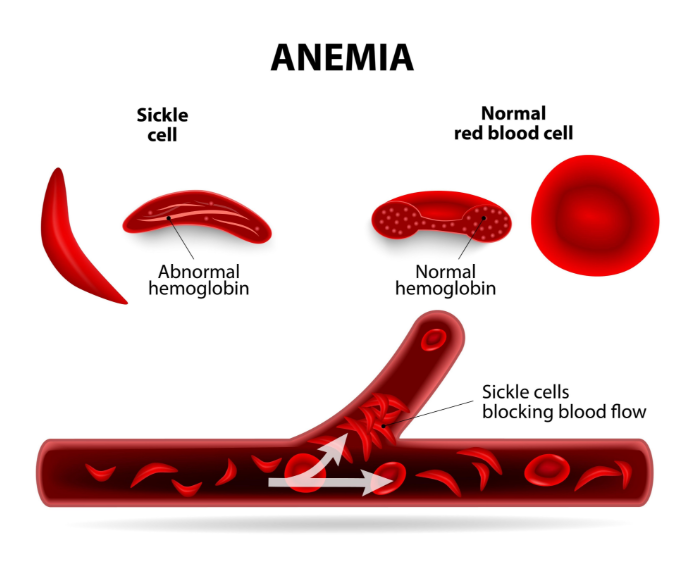
5. Sickle Cell Anemia: The Structural Glitch
Unlike the other types, Sickle Cell is a genetic disorder. Instead of being flexible, round discs, the red blood cells become stiff and crescent-shaped.
- The Cause: An inherited change in the hemoglobin gene.
- The Result: These “sickle” cells get stuck in small blood vessels, which can block blood flow. This causes not only fatigue but also intense pain and potential organ damage.
Comparison at a Glance
| Type of Anemia | Primary Cause | Key Symptom/Fact |
| Iron Deficiency | Low Iron | Most common; often dietary |
| Vitamin Deficiency | Low B12/Folate | RBCs are abnormally large |
| Hemolytic | Rapid RBC destruction | Can lead to jaundice (yellowing) |
| Aplastic | Bone marrow failure | Very rare; affects all blood cells |
| Sickle Cell | Genetic mutation | Painful “crises” and crescent cells |
What Should You Do?
If you’re experiencing symptoms like pale skin, dizziness, or cold hands and feet, it’s worth a trip to the doctor for a simple blood test. Most forms of anemia are highly treatable through diet, supplements, or managing underlying conditions.